The Annunciation
Tempera on poplar panel. 1425 - 1426
Welcome to the Prado Museum, a bicentennial institution whose origins and powerful uniqueness owe much to the tastes of the monarchs of the 16th and 17th centuries. Collecting at that time differed from today. Without encyclopaedic pretensions, it aspired to bring together as many works as possible by favourite artists.
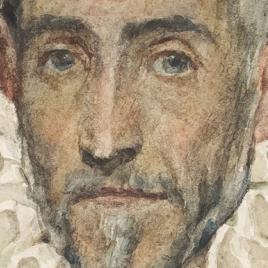
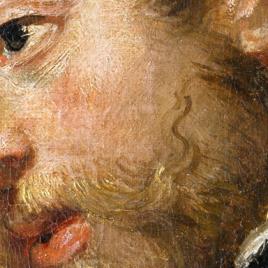
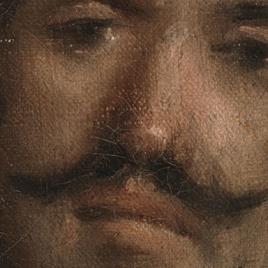
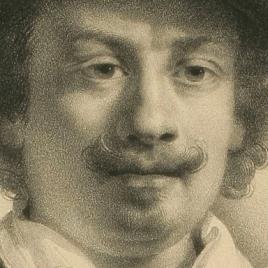
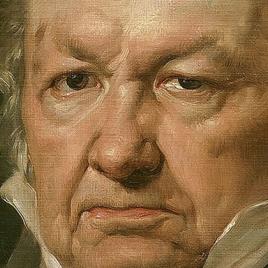
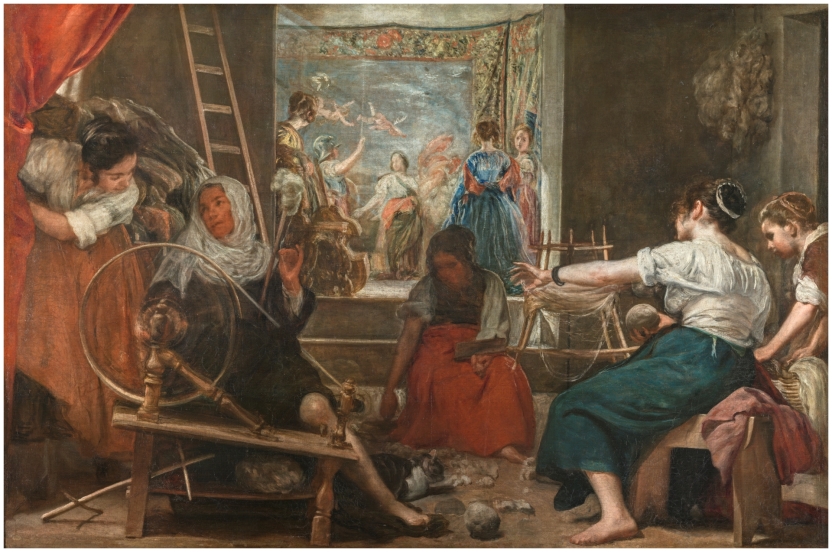
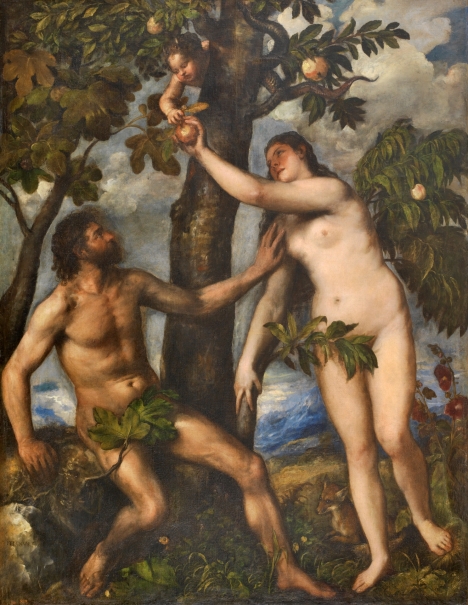
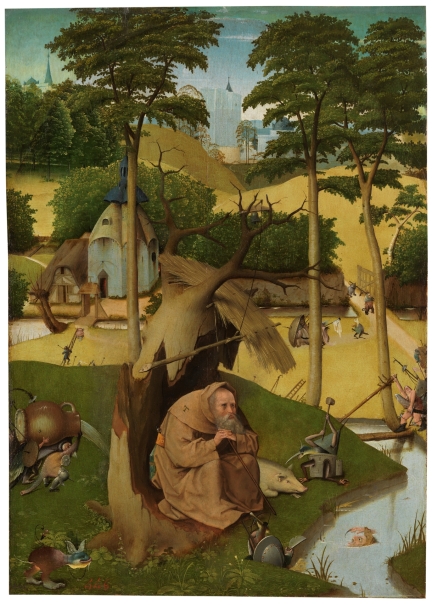
This explains why the Prado has been described as a museum of painters rather than paintings, as the artists represented are usually represented in a superlative way, boasting the largest collections of works by Bosch, Titian, El Greco, Rubens, Velázquez and Goya, sometimes with more than a hundred works.
Miguel Falomir
Director of the Prado Museum
Welcome to the Museo del Prado, a bicentennial institution whose origins and powerful singularity owe much to the tastes of the monarchs of the 16th and 17th centuries. Collecting then differed from today. Without encyclopedic ambitions, it sought to gather as many works as possible by favored artists. This explains why the Prado has been described as a museum of painters rather than of paintings, for the artists represented tend to be present in superlative fashion, allowing the museum to boast the largest ensembles of Bosch, Titian, El Greco, Rubens, Velázquez, or Goya—sometimes with more than a hundred works. This type of collecting, viscerally passionate, also created gaps, and explains why some periods are less well represented than others—sometimes because they were not of interest at the time, as with the Italian “primitives,” and at other times due to historical circumstances, as happened with 17th-century Dutch painting.
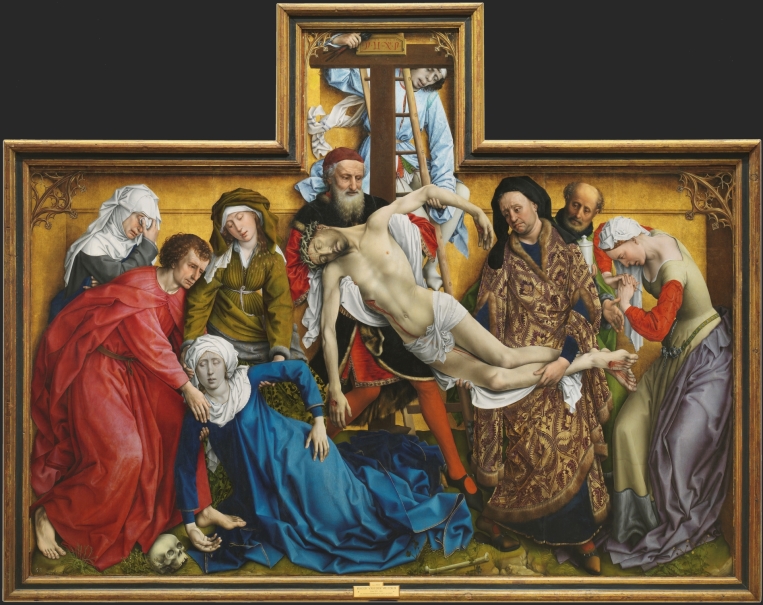
The first painter collected by the Spanish monarchs, and the pillar upon which the royal collection was built, was Titian. The choice had decisive consequences for royal collecting and even for the evolution of Spanish painting itself. By favoring the champion of color over the Florentine and Roman painters who upheld the primacy of “disegno,” the monarchs opted for a painting that privileged its more emotional and sensual aspects. Other Venetians (Veronese, Tintoretto) followed Titian, as did those who embraced his legacy, such as the Flemish artists Peter Paul Rubens and Anthony van Dyck, and the influence of all of them was decisive for the flowering of Spanish painting in the 17th century, with Velázquez at the forefront. This was the cornerstone of the former royal collection, but not the only one. Other painters and schools were incorporated from the 16th century onward. Philip II was fond of 15th-century Flemish painting—which explains our holdings of van der Weyden, Memling and, above all, Bosch—and even more decisive was Philip IV, who not only commissioned works from the already-mentioned Rubens, Velázquez, and van Dyck, but also from the Spaniard active in Naples José de Ribera, the French painters Nicolas Poussin and Claude Lorrain, and Italian artists who helped decorate his many residences. He also sought to remedy existing gaps by adding to the collection Italian Renaissance artists outside the Venetian sphere, such as Raphael, Parmigianino, and Correggio. At his death, the Spanish royal collection was the finest in Europe and the model to emulate.
With the advent of the Bourbon dynasty came French painters, ushering in the 18th century, a period dominated by foreign artists. The French were followed by the Italians and, in the third quarter of the century, Madrid was the stage for one of Europe’s most fascinating artistic rivalries, when Charles III employed two creators with antagonistic ways of understanding and practicing painting: the Venetian Giovanni Battista Tiepolo, a brilliant heir to the great tradition, and the Bohemian trained in Rome Anton Raphael Mengs, a herald of Neoclassicism. Only at the end of the century, with Goya, did a Spanish painter once again dominate the courtly scene.
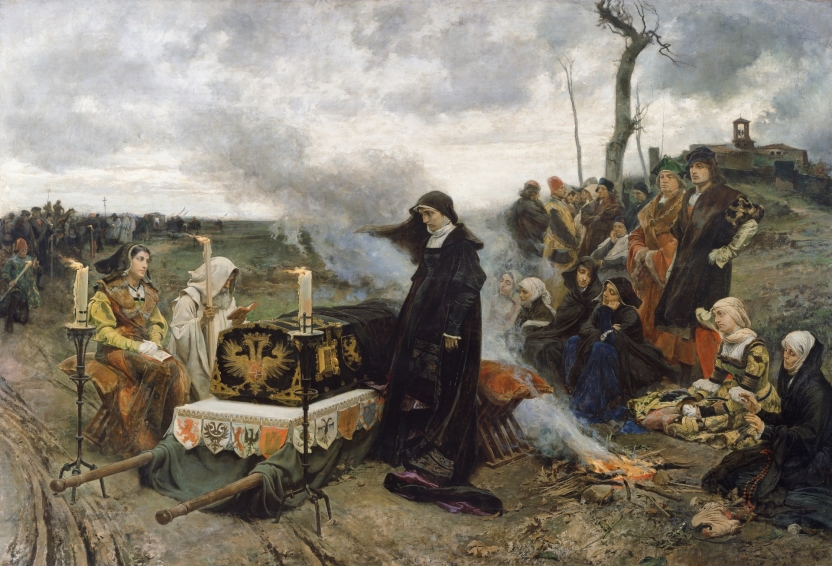
The Prado and its collections reflect the history of Spain, whose diminishing international role in the 19th century reduced its appeal for foreign artists. It was now Spaniards who were educated and worked abroad: in Rome at the beginning of the century, and from mid-century in Paris, which had become the world capital of art. Our collections bear witness to this, to the nationalist fervor that coursed through the century—and which our painters captured in canvases celebrating their people, landscapes, and history—and to the disentailment of ecclesiastical property which, via the Museum of La Trinidad, contributed decisively to augmenting holdings originating from the Crown. The narrative closes in 1881, the year of Picasso’s birth. And although chiefly pictorial, the collections also encompass exceptional examples of sculpture, decorative arts, and works on paper, from Antiquity to the 19th century.
Since its founding in 1819, the Museo del Prado has been a decisive actor in the progress of art history. It has been instrumental in the rediscovery of early Spanish masters and emblematic figures such as El Greco, in elevating Velázquez to the summit of Spanish painting, and its galleries have served as inspiration to some of the most avant-garde painters of the last 150 years. Such is the legacy we proudly share with our visitors.
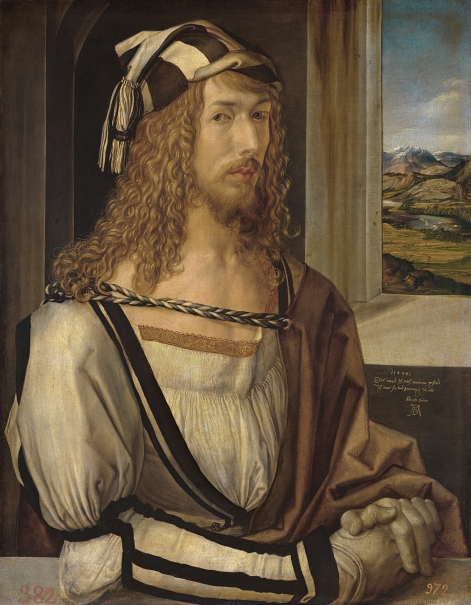
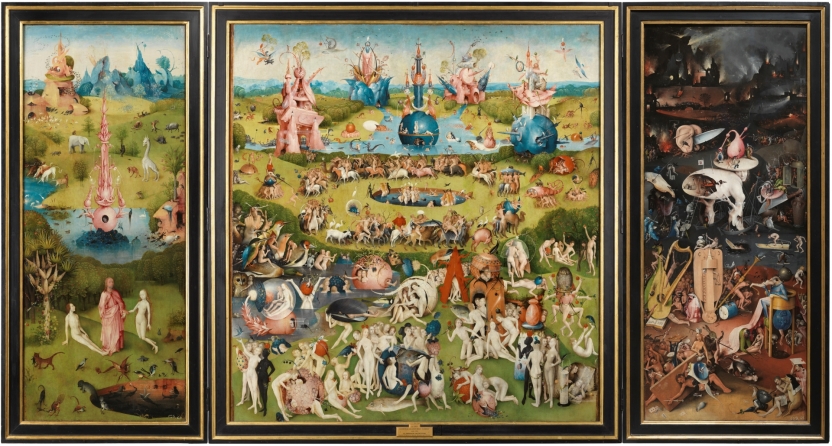
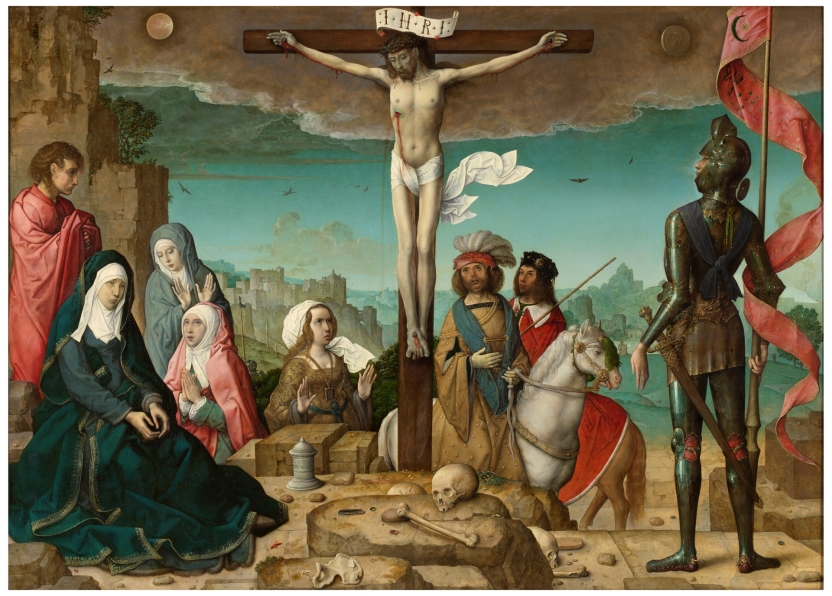
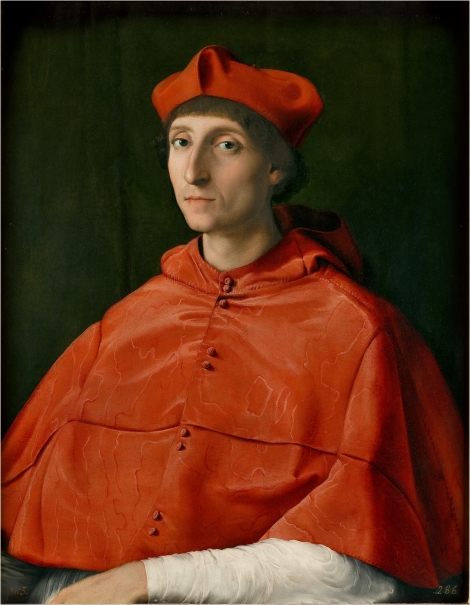
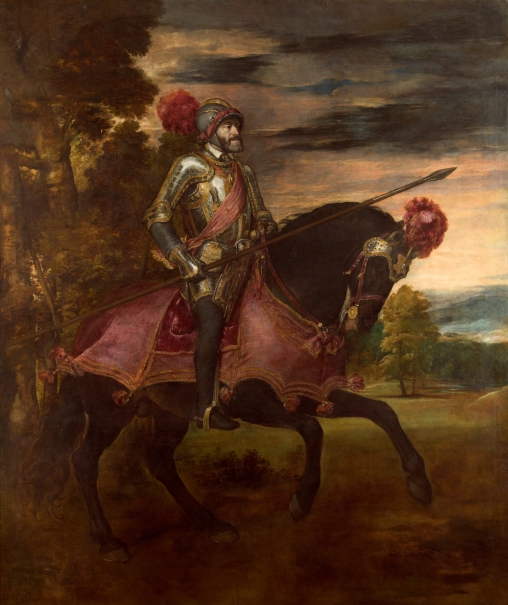
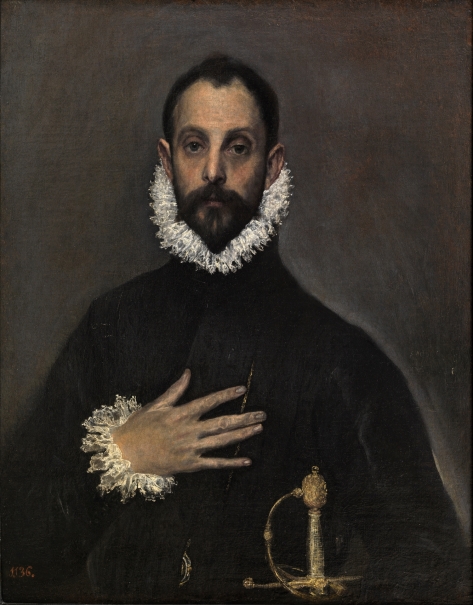
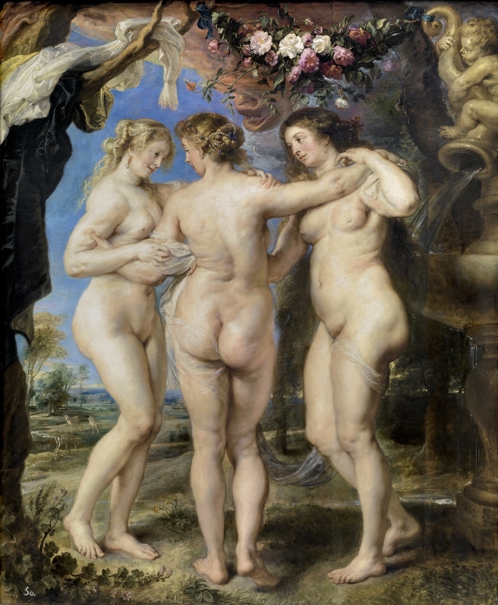
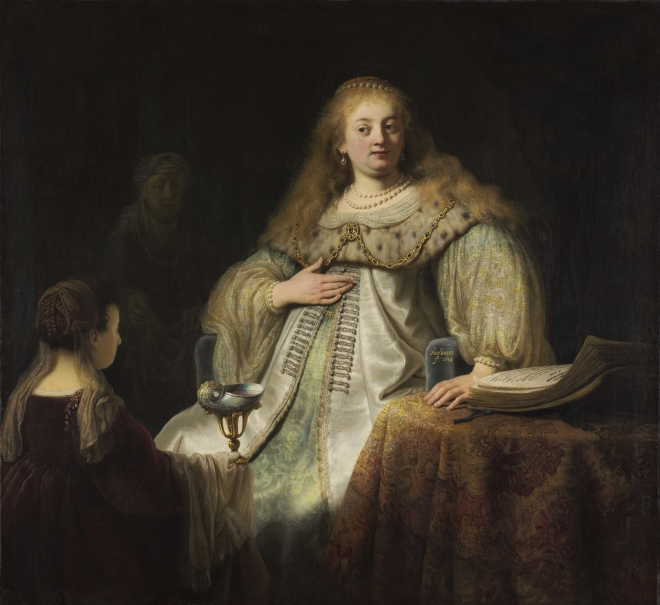
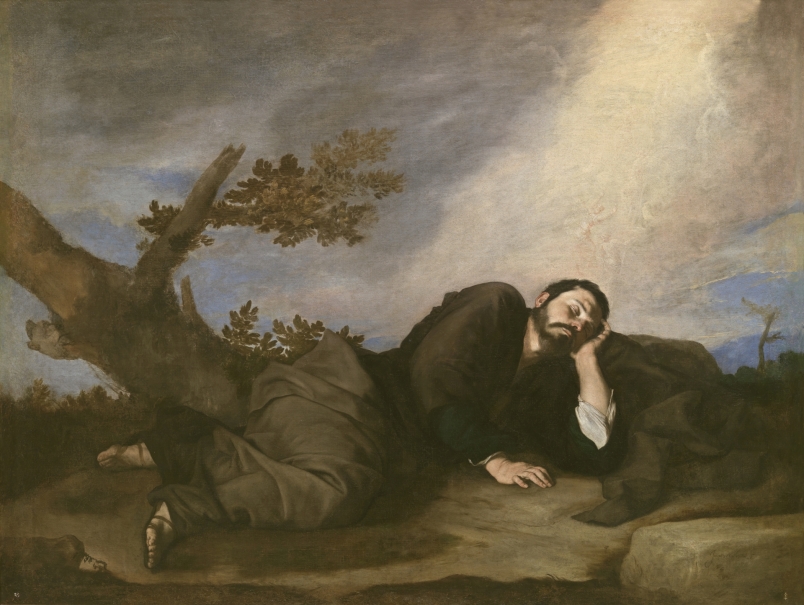
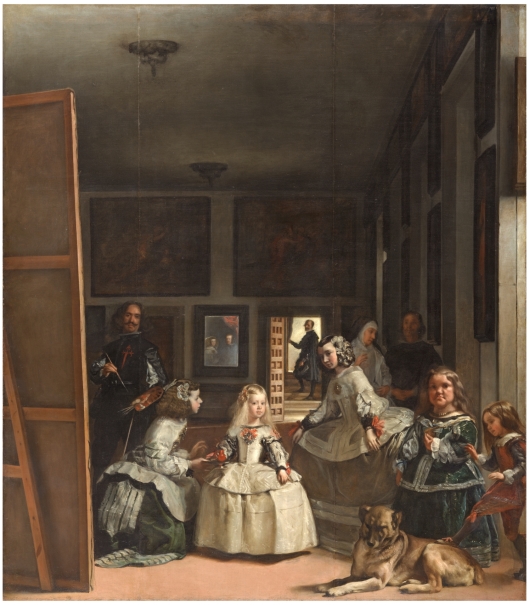
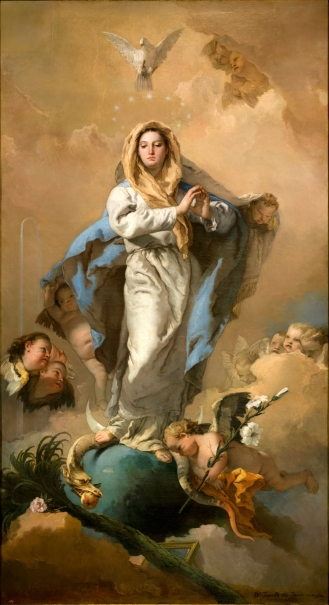
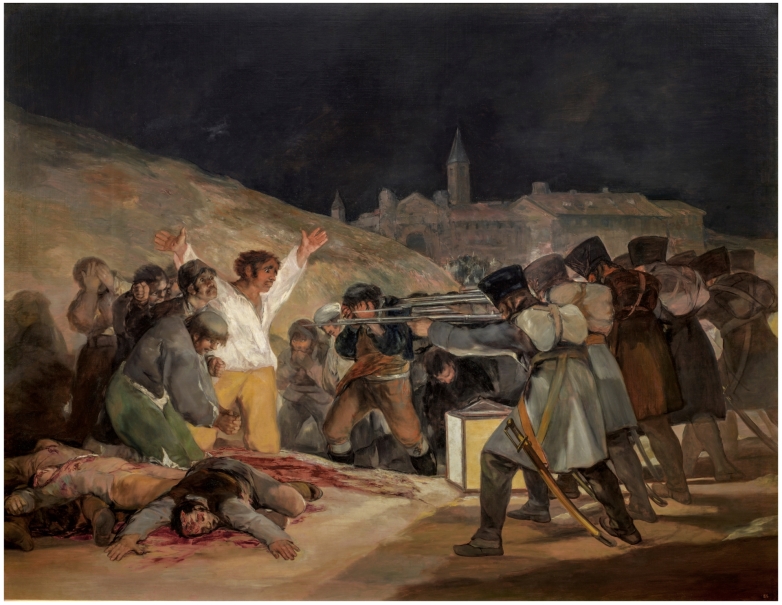
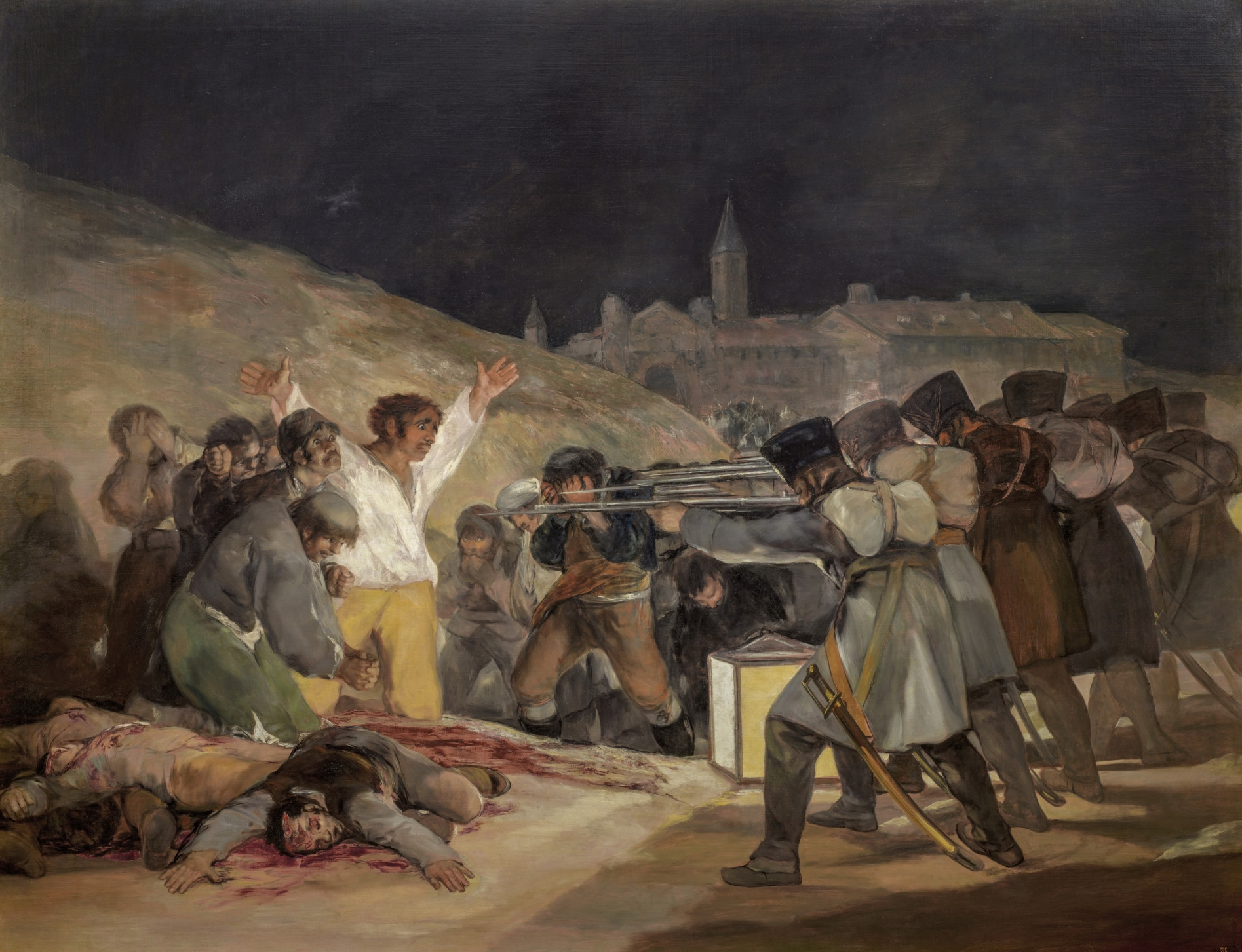
When the Prado Museum opened in 1819, the only paintings on display were by Spanish artists, as from the outset there was a clear desire to use the institution to promote...
Like the rest of the Prado Museum's art collections, the Italian and French collection is influenced by its origins in the former Spanish royal collection.
One of the finest and largest collections of Flemish paintings in existence, with a total of nearly 1,000 paintings.
The Museum's 19th-century collections are both the most numerous and the least known among the paintings preserved by the Prado.
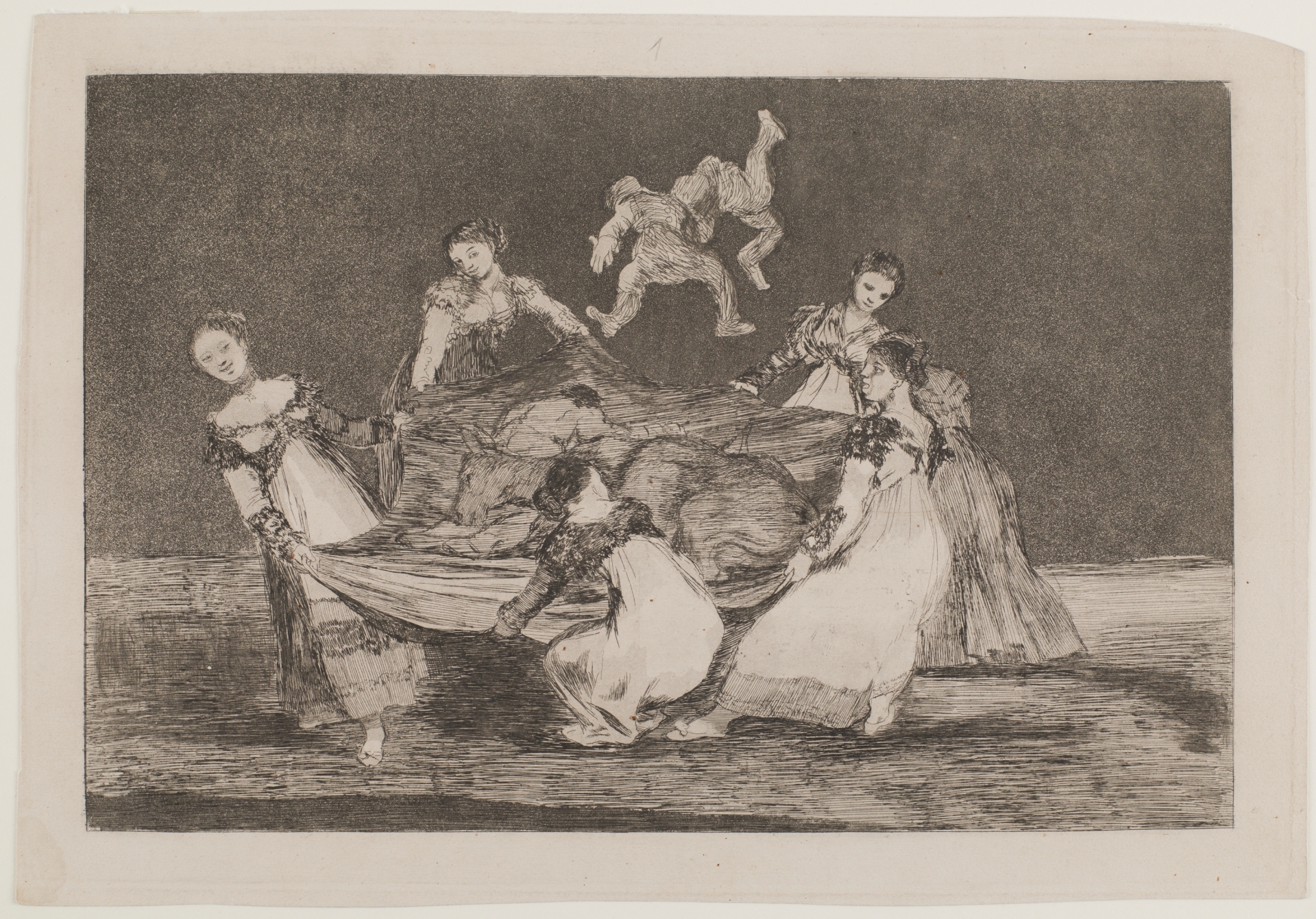
The Prado Museum's collection of drawings, prints and photographs is one of the most important in Spain due to its quality.
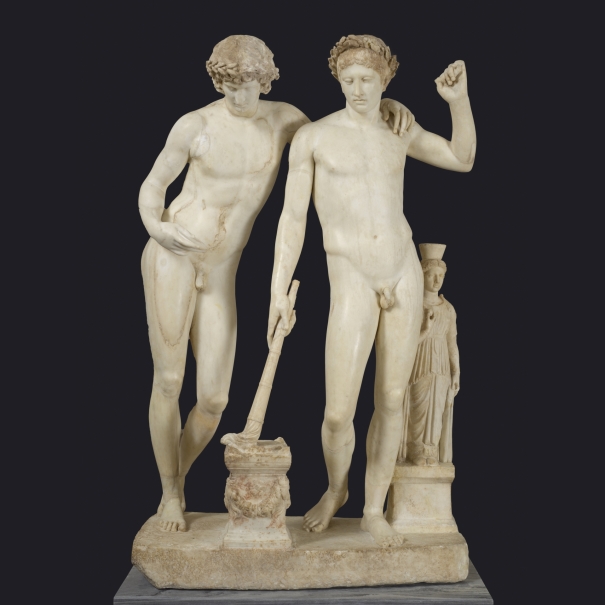
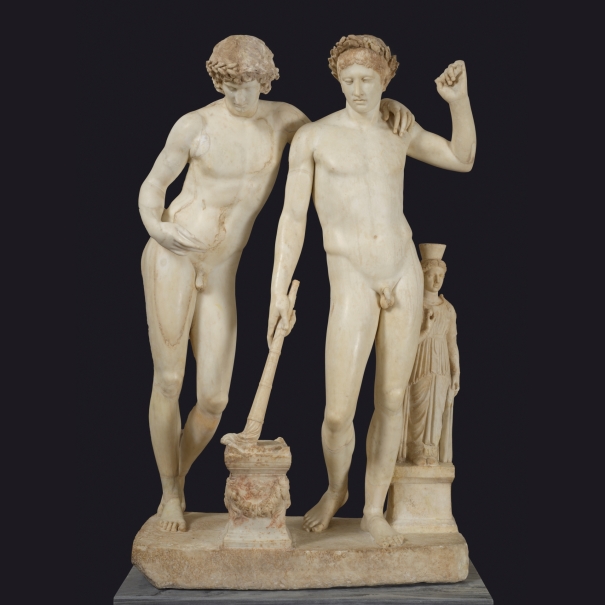
The Prado Museum's sculpture collection comprises almost a thousand works.
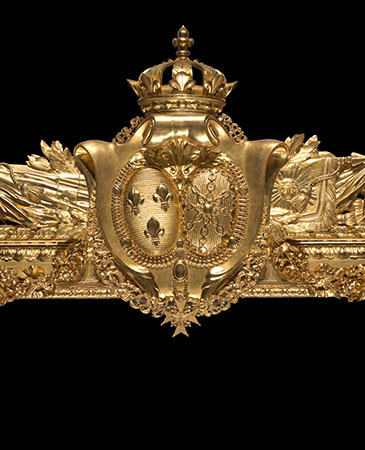
The Prado Museum's collection of frames is linked to the history of the works it frames.